The practical answers · Part 2 of 2
“Comment GUIDE and I’ll send it.” What happens next.
A comment-gated post asks you to type a word to get something. We read all 180,457 comments under 26,246 of them. Most asks get nobody. The ones that work name a real thing, build the whole post towards the ask, and answer the people who type.
September 2026 · 7 min read
Of comments are the keyword when an ask works
When at least one person typed the word, 58% of all the comments under that post are people typing it.
Of takers get an answer
A taker is someone who typed the word. Six in ten get a reply in the thread. The typical wait is 1.9 hours.
Takers when you name a real giveaway
Posts that name a guide, template or set of prompts get 4.6 takers on average. Posts that don’t get 2.4.
People who do this again and again
Writers with five or more of these asks. The best of them get 25 to 38 takers a post and answer 85% of them.
01 · The funnel
Six in ten asks get nobody
Everyone judges a gated post by its comment count. We read the comments instead: who typed the word, who got an answer, and how fast. Of the 26,246 gated posts, 6,618 ask for one exact word. We call these keyword asks, and anyone who typed the word a taker.
All keyword asksone exact word
Got a takerat least one person typed it
Got five or more
Got twenty or more
Six in ten keyword asks got no takers at all. Only 40% got even one. 18% got five or more. About 6% got twenty or more.
When it works, it works cleanly. On asks with a taker, 58% of all comments are the word. Count every ask that got any comment at all, and it is a third. The rest is chat and pod traffic: groups of people who agree to comment on each other’s posts.
The post with the most takers was a free book from an account with 10,000 to 20,000 followers. It drew about 6,800 comments. Of the first 40 comments, 38 just said “BOOK”.
02 · The reply
Six in ten takers get an answer. One post in four answers nobody.
Typing the word is a request. Did the author answer it? Under the post itself, yes for 59% of takers. Some authors answer by private message instead, and those replies don’t show under the post. So the true share is at least 59%.
of takers get an answer in the thread
Six in ten people who typed the word got a reply.
hours, typical wait
Typical means the middle one when you line all the waits up: half heard back sooner, half waited longer.
of posts with takers answered nobody
One post in four. People typed the word. Nobody replied.
A thread is all the comments under one post. We read 615 of them from top to bottom to see what the author actually said back.
- 28%Confirmed “sent”
- 22%Connect or check your inbox
- 14%Posted the link in public
- 27%Never replied
- 10%Comments not visible
Putting the link right there in the comments, where anyone can grab it, is the rarest reply and the kindest. “Connect and I’ll DM you” (DM means a private message) turns a giveaway into a way to collect new connections.
40 of 40 takers answered, typical wait 77 hours

aleckremins
aleckremins · 20K–50K followers · 2026
i spent $1,000 on a claude masterclass and am giving you what i learned for free. this setup now saves me 10+ hours a week on autopilot. comment "setup" and i'll send you everything i learned so you can start implementing claude into your day-to-day…
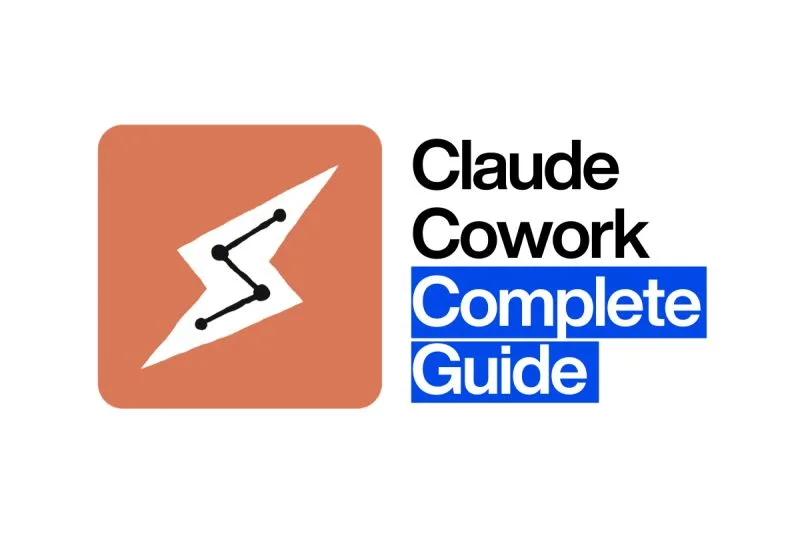
32 takers, none answered

bgoldstein3
bgoldstein3 · 20K–50K followers · 2026
ok I did something crazy again that could land you an investment in the next Anthropic. I spent another 18 hours compiling the most comprehensive and highest quality set of AI tools for investing in startups…
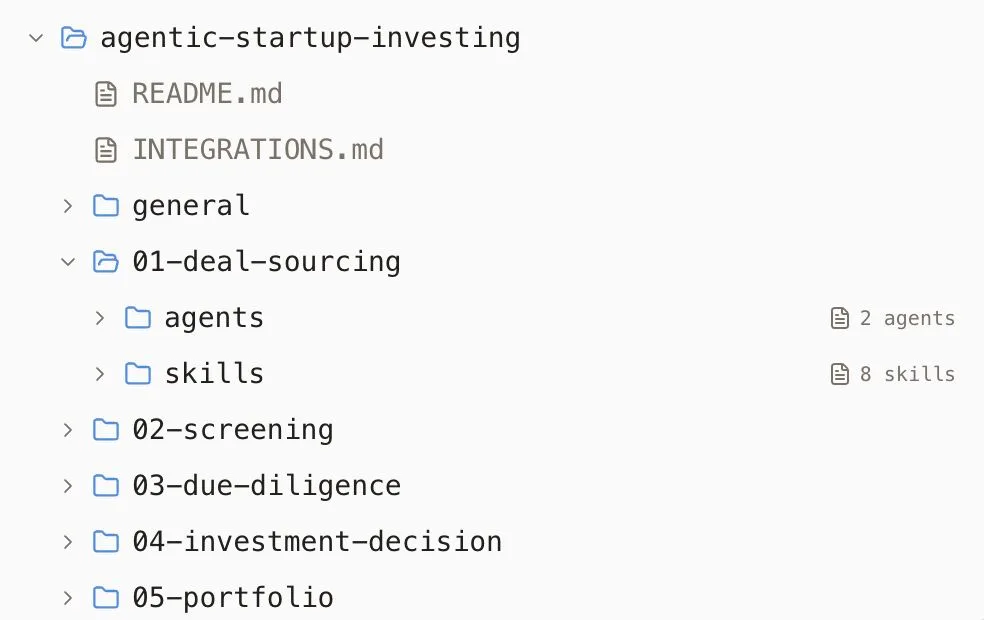
Same kind of offer. The first post got eleven comments for every like, and every one of the first forty takers got a reply, though the typical wait was three days. The second drew 32 takers. Not one was answered. The post did its job. The author didn’t.
03 · The rules
Name the thing. Build up to the ask. Don’t shout.
Every guide to writing these posts gives the same rules. We tested them on all 6,618 keyword asks. For each rule, we counted the average takers on posts that followed it and on posts that didn’t.
Names the giveaway
Ask only in the last two lines
Brand-speak
Keyword in capitals
Naming the giveaway doubles the takers. Tacking the ask on at the end halves them. Brand-speak, the stiff company voice with words like “thrilled” and “exclusive access”, halves them again. A lowercase word in quotes beats capitals. Telling people the offer ends soon looks good here too. Hold that thought.
04 · Same person, different posts
Only one rule survives
Lumping everyone’s posts together can fool you. Maybe the people who write deadlines are simply better at this whole game. Then the deadline gets credit that belongs to the person. The fairer test compares each author only with their own posts: did their asks with the rule beat their asks without it? 481 authors have three or more keyword asks, enough to compare.
Share of authors who got more takers when they used the rule
481 authors with three or more keyword asks, each compared only with their own posts · 50% would mean the rule does nothing
Naming the giveaway is the only rule that still helps. 45% of authors did better with it, 23% saw no change, and fewer did worse. Two rules still hurt: putting the ask at the end made things worse for 54% of authors, brand-speak for 57%. The deadline drops to 36%, so it helps fewer authors than it hurts. The credit goes to the person, not the sentence.
Some rules a computer can’t check by looking for words. Is the giveaway real? Is the ask the point of the post, or an afterthought? A person has to read it. So we read 615 threads and judged each one. 568 of them were real asks.
The ask is the point of the post
Giveaway described in detail
Making the ask the whole point of the post is the biggest gap a reader can see: more than three times the takers. Writing in your own voice, rather than a stiff one, made no difference.
of real giveaways got a taker
Compare 57% for asks that offered only a teaser, or nothing you could hold.
takers when the product is the tool used, not the subject
Posts that are about the product average 8.1. Posts that name no product at all average 5.7.
of asks with no takers sat in pod threads
Pods are groups who comment on each other’s posts by arrangement. So people saw the ask. Nobody wanted the thing.
Name a real thing. Build the post towards it. Answer the people who type.
The deadline, the story with a clock time in it and the capital letters are things good operators happen to do, not things that make an ask work.
05 · What to do
Four simple rules
- 1
Decide the giveaway before you write the post.
Say exactly what it is, and it gets a taker 74% of the time. Something vague, 57%.
- 2
Judge a gated post by takers and answers, not comments.
On the average ask that drew comments, a third of those comments are just the word.
- 3
Put the reply in the deal.
One post in four with takers was never answered. If you pay someone to run an ask, write into the deal how many takers they must answer.
- 4
Pick the person, not the post.
297 authors do this again and again. Most writing rules stop mattering once you compare one author’s posts with each other, so who does it matters more than how the post is written.
Sources · show
- Comments pull, September 2026: every thread under the 26,246 comment-gated posts in the cleaned corpus, from the provider’s comments endpoint. 180,457 top-level comments and 98,068 nested replies, ten a page, up to four pages a post. The provider returns at most about 40 top-level comments per post, so the 4.5% of posts above that are counted on their first 40 and the biggest posts’ taker counts are estimated from the share of takers among fetched comments. Posts LinkedIn stores as “ugc” posts were fetched by the activity id in their URL after the stored id returned empty; three posts with five or more advertised comments still returned none.
- Keyword extraction: an all-caps word of three or more letters after “comment”, or a quoted word after comment, type, drop or reply. A taker is a comment that opens with the word, or one of eight words or fewer containing it. A reader pass found 7.6% of extracted keywords were not asks. An answer is an author reply inside the thread, matched by profile URL; delivery by direct message is not visible.
- Rules read by pattern: giveaway nouns (doc, template, guide, prompts, checklist, course, playbook and similar), deadline phrases (hours, days, “taking this down”), first-person specifics (clock times, “yesterday”, dollar figures), brand-speak (“thrilled”, “exciting opportunity”, “exclusive access”), the keyword only in the last two lines, all-caps against quoted keyword. Within-author: 481 authors with three or more keyword asks, mean takers with the rule against without, per author.
- Thread reading, September 2026: 615 keyword asks with up to fourteen comments each, from a stratified sample of 620: 220 posts with five or more takers, 200 with one to four, 200 with none but 20 or more reactions. One reader per post judged whether the ask was real, the giveaway real and described, the ask the point, the product’s role, the voice, first-person specifics, the answer seen and the thread’s character. Shares are within the sample, which over-represents successful posts, so compare with against without rather than against the pooled figures.
- Cleaning as in the corpus check: flagged job feeds and automation, accounts with 40% or more hiring posts, 150-post months and accounts under ten posts removed.
- Photographs: Pexels, free licence. The two posts and their pictures are public LinkedIn posts, linked above. Share counts were not collected for them.