How audiences get built · Part 3 of 4
Nobody breaks out by luck. They change the post.
We found the moment hundreds of LinkedIn accounts started to grow, and read what changed. Posts got longer. Links came off. A picture went on. Every post ended with an ask.
September 2026 · 7 min read

Posts got longer at the turn
At 10K–50K followers: 270 turns got longer, 70 got shorter, 25 stayed the same.
Off links, onto pictures
250 turns at 10K–50K swapped a link for a picture, slides, a document or a video. 15 went the other way.
Jill Avey, text to slides
Her typical post drew 3 before and 40.5 after. Nothing else changed.
Of creators do better with a picture
Against their own text posts, the picture wins for 92.4% of 7,204 creators.
01 · Length
The post gets longer
Most LinkedIn accounts don't grow a little every week. They stay flat for months, then climb. We call the point where the climb starts the turn. The person and the followers are the same on both sides of it. Only the posts changed.
We read about 130 turns on accounts above 50,000 followers, and about 480 more at 10,000 to 50,000 (10K–50K for short). A post’s score is its likes, comments and reposts added up. The same few changes recur. The first is length.
We counted the characters in a typical post before and after the turn. Typical means the middle value, so one giant post can’t skew it. Sabeer Bhatia went from 62 characters to 865. Graham Nicholls went from 331 to 2,262.
50K+ followers · ~108 turns with a length reading
10K–50K followers · ~365 turns with a length reading
Across every creator in our data, a post of 2,200 characters or more draws 3.5 times what the same person’s posts under 300 draw. Long wins, for nine in ten.
02 · Format
Take the link off. Put a picture on.
The second change is what's attached. Before the turn, the post sent the reader to another website. After it, the post carried its own picture, slides, document or video.
Above 50,000 followers, roughly 55 of about 130 turns made that swap. One account at a time, the gap is huge. Same person, same followers, one picture.
rezahg
jonrosemberg
Noam Nisand · a document
Jill Avey moved from text to slides. The typical post drew 13.5 times as much.
It holds across everyone. On the same account, a picture draws 3.27 times what words alone draw, and a document 2.5 times.
The same creator, two kinds of post
creators with at least five posts of each kind · typical post of the first kind divided by the second
Length, line breaks and a picture each multiply the typical post by about three, on the same account. Long is 2,200 characters or more against under 300, true for 90.1% of 2,063 creators. Ten or more lines against one, true for 90.9% of 4,514. Video is the one swap that loses: it beats pictures for 38.6% of 2,913 creators.
Leonard Rodman · docs to video
Maid Dizdarevic · text to images
Oana Labes · text to documents
Ravit Jain · articles to images
Riddhi Joshi · text to images
Jill Avey · text to carousels
Colton Kaplan · text to images
Subhendu J · text to images
Typical post, same account. An equal step on the bar means times, not plus. The smallest lift here is four times. The largest is eighteen. The lesson is to get off bare links and walls of text, not to pick one winning format.
03 · The ask and the first line
Open with a claim. End with the same request.
An ask is a closing line that tells the reader what to do next. Follow. Repost. Comment to get the file. About 55 of the turns above 50,000 followers added one, and almost every turn dated 2024 or later has it.
Ask on nearly every post
share of posts with an ask
Almost never ask
share of posts with an ask
Once a creator starts asking, they ask on nearly every post. You don’t need it to grow. Katie Wrathall reached 12.6K followers without ever asking. But it speeds growth up, and it costs one line.
The first line changed too. LinkedIn shows a line or two, then hides the rest behind “see more”. At about 35 of the turns above 50,000 followers, and a third at 10K–50K, the first line stopped saying what the post was about and started saying something you could disagree with.
- Ramdeen: “Seven firms studied AI adoption. None found a technology problem.”
- david-manela: “Micromanagement isn’t leadership. It’s fear in disguise.”
The test: cover everything after the first line. Does it still say something?
Jill Avey
jillavey · 74,870 followers · 7 May 2025
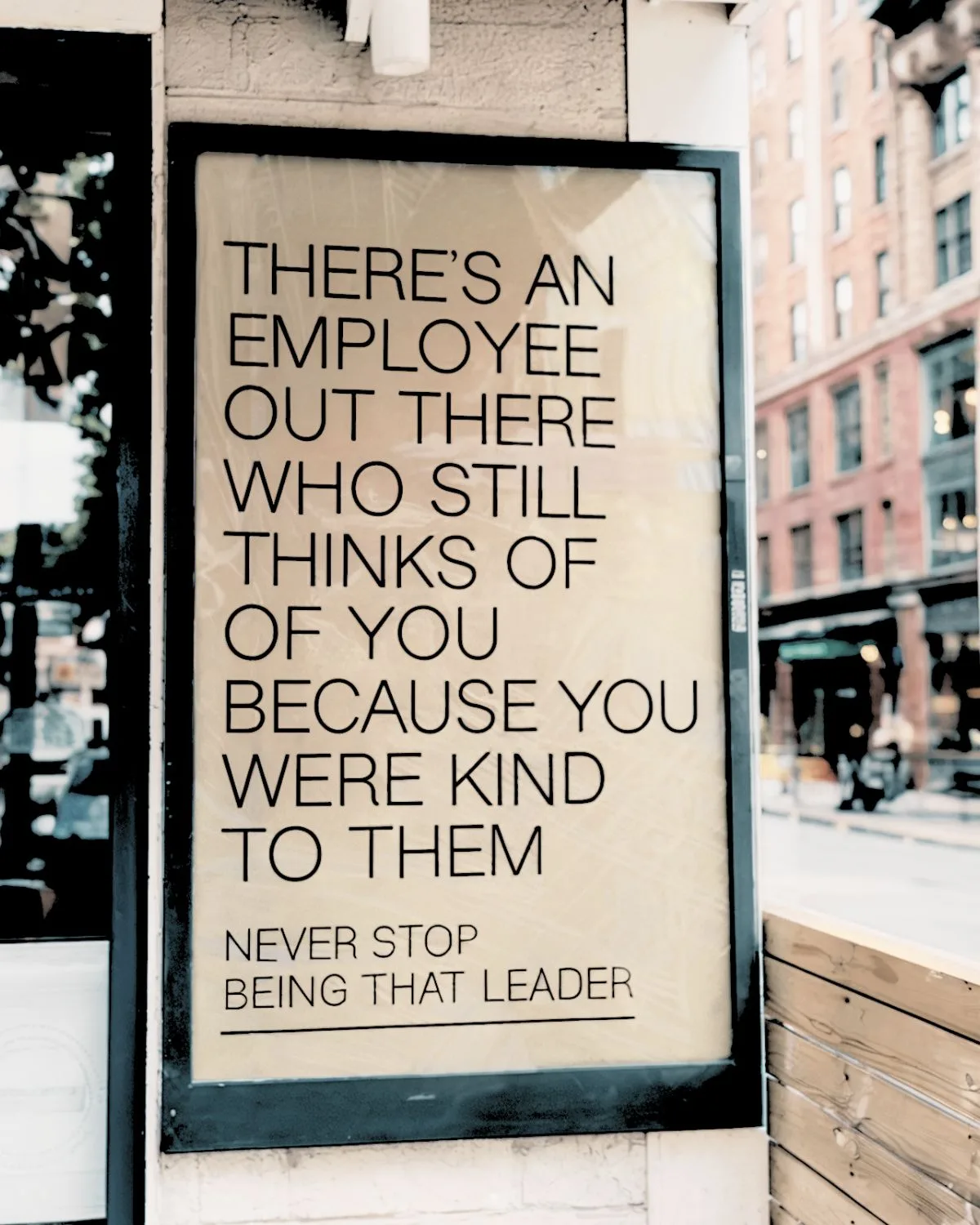
Strategy or titles don't set the best leaders apart. Their humanity does.
Too many leaders fall into the trap of crushing spirits for quick wins, sacrificing wellbeing for metrics, or trading humanity for efficiency. But leadership can be different.…

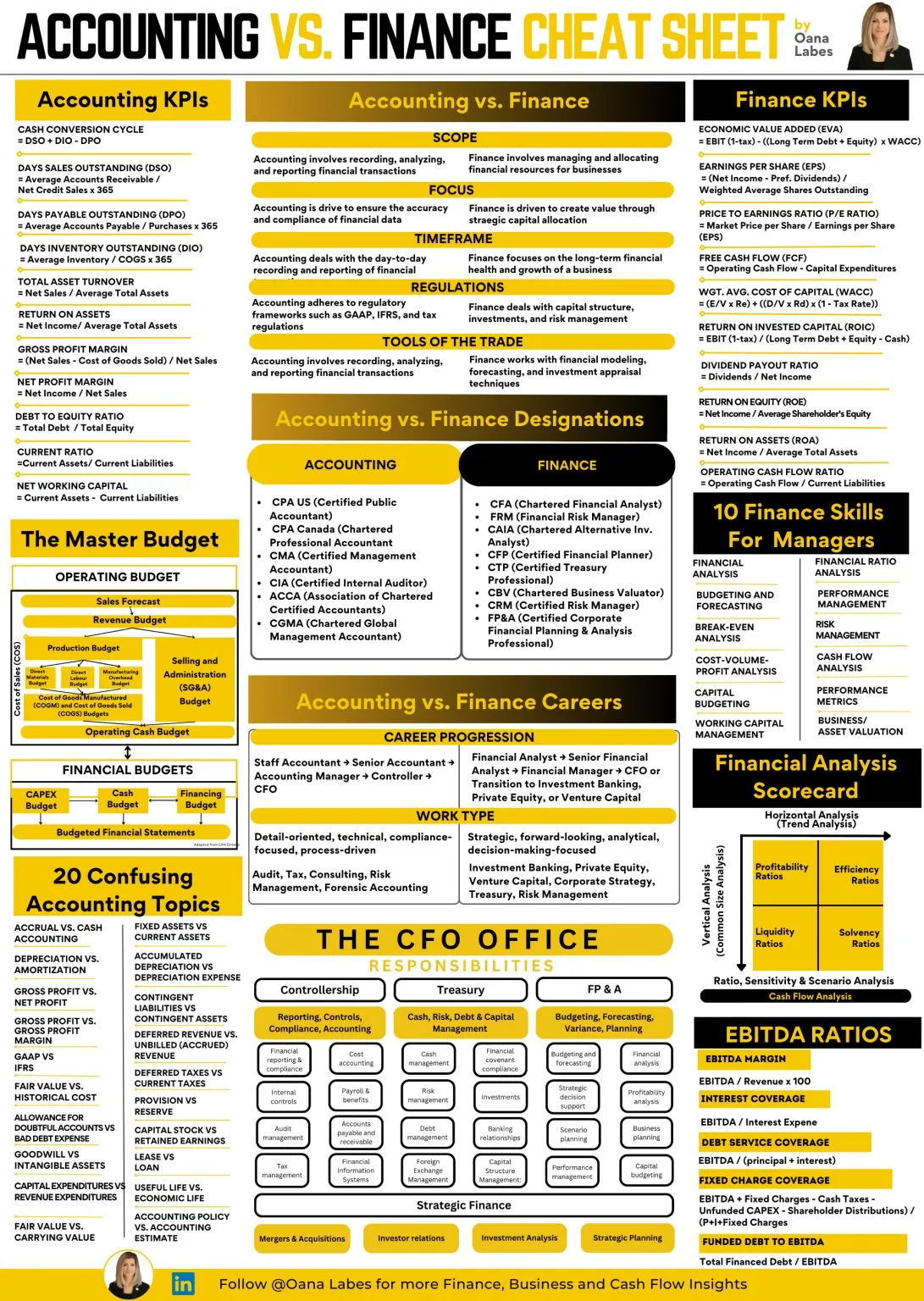
Oana Labes
oanalabes · 423,257 followers · 5 May 2023
Accounting vs. Finance Cheat Sheet Because Accounting is Not Finance.
🎯 Help me spread the knowledge with this free Cheat Sheet: like, share and comment! Want the free PDF? 👉 Like and comment to get the download link.…
04 · Cadence
Posting more is the commonest change, and the least useful
Cadence means how often you post. It changed at more turns than anything else here, and it tells you least. Some creators broke out while posting less. Others posted far more and didn't.
Turns that posted more
Of the 92 turns above 50,000 followers with a posts-per-month reading.
Turns that posted the same
The account turned anyway.
Turns that posted less
Jill Avey went from 32 posts a month to 21. Her typical post drew 13.5 times as much.
The reverse is common too. Vega posted five times as much and the typical post fell by two-thirds. Mohapatra reached 1,777 posts a month and the typical post drew 2. Posting more shows a creator has started trying. It doesn’t make the account grow.
05 · Repeats and announcements
Your best post works twice
Take a post that did well and post it again four to ten weeks later, almost word for word. Nobody we studied lost out by it, as long as the audience is still growing.
Shalini Goyal's slides, second run
Her slide set on microservices drew 2,691 the first time.
Betsy Tong's story, second run
Her Reese Witherspoon story drew 3,147 the first time.
Monica Aggarwal's post, third run
Posted four times, it drew 1,713 / 8,863 / 11,886 / 4,611.
The cheapest post of all is the new job. LinkedIn’s built-in “I’m starting a new position” post beats everything else these accounts publish. Dino Zelic’s drew 248.5 against 5.5 for his text posts. Aaron Schneider’s drew 447 against 2. If you change jobs, post it.
Nobody changed just one thing. So don’t ask a creator to change just one.
Cicely Simpson had never had a post pass 1,000. On 14 June 2025 one went straight to 12,010. The claim, the ask and the longer post arrived together, and her posts grew from around 800 characters to 2,600–3,000.
06 · What to do
Four simple rules
- 1
Write longer.
Aim past 2,200 characters, broken over ten or more lines.
- 2
Attach something to every post.
A picture or slides. Never a bare link to another website.
- 3
Open with a claim. End with the same ask.
On every post.
- 4
Post the winners again, and announce the new job yourself.
Both are free.
Next in the series: how to tell a real audience from a follower count.
Sources · show
- Creator index, September 2026: 121 accounts above 50,000 followers with an automatically detected turn, roughly 130 readings; 1,102 accounts at 10K–50K read one at a time, about 480 with a turn a human reader accepted as real.
- Before and after figures are median engagement (reactions plus comments plus reposts) per post on the same account, from public LinkedIn posts. Not every turn had a length or cadence reading; the counts shown say how many did.
- Corpus check: 8,301,657 posts by 13,262 accounts, cleaned to 1,941,394 posts by 9,882 creators after removing job feeds, automation, hiring and near-empty accounts and capping each author at 400 posts, September 2026.
- Full report: How LinkedIn audiences get built, linklabs.wiki, September 2026.
- Photographs: Pexels, free licence. The two posts are public LinkedIn posts, linked above.